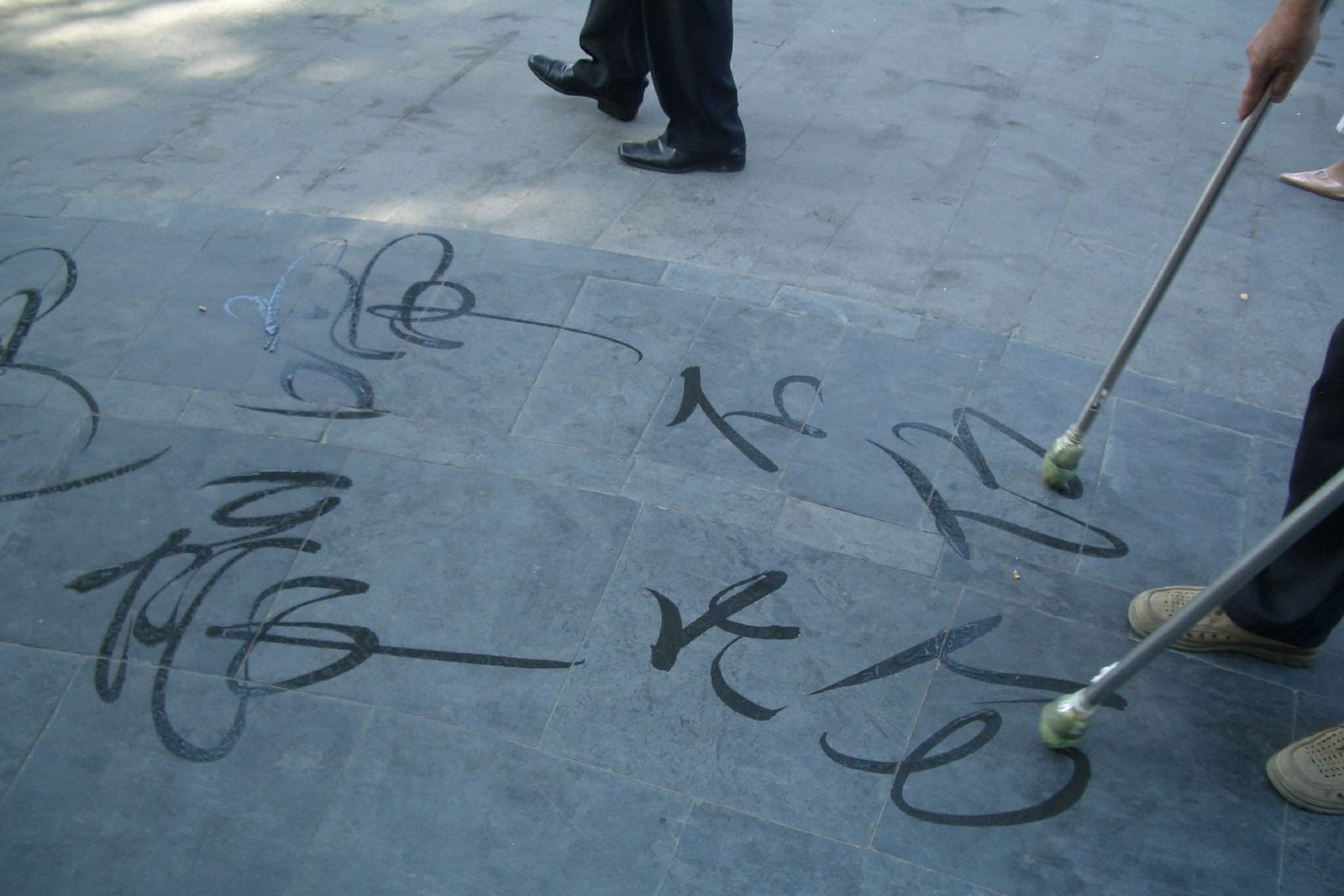
A complete breakdown of the new HSK 1–9 framework, what each level requires, how long it takes, and which level is right for your goals — from beginner to near-native.
The HSK — 汉语水平考试 (Hànyǔ Shuǐpíng Kǎoshì), or Chinese Proficiency Test — is the world's most widely recognised Mandarin certification. In 2025 it was reformed from a 6-level system to a 9-level framework aligned with the CEFR (Common European Framework of Reference for Languages). Whether you are a complete beginner, a GCSE student, or an expat aiming for business Mandarin, understanding the levels is the first step to a clear learning plan.
为什么 HSK 很重要 — Why HSK Matters
HSK certificates are accepted by Chinese universities for admissions (HSK 5+ for postgraduate programmes), required for several Chinese government scholarships, and increasingly requested by multinationals as proof of language proficiency. For expat children at international schools, HSK levels also map directly onto IB Chinese B and IGCSE Mandarin grade expectations.
The New 9-Level Framework at a Glance
The table below maps each level to its CEFR equivalent, vocabulary requirement, and approximate study hours from zero.
| Level | CEFR | Vocabulary | Study Hours (cumulative) | What you can do |
|---|---|---|---|---|
| HSK 1 | A1 | 500 words | 150–200 hrs | Introduce yourself, order food, count |
| HSK 2 | A2 | 772 words | 300–400 hrs | Describe daily routines, express simple opinions |
| HSK 3 | B1 | 1,200 words | 550–700 hrs | Handle most everyday situations, discuss familiar topics |
| HSK 4 | B2 | 2,000 words | 900–1,100 hrs | Participate in meetings, understand TV news |
| HSK 5 | C1 | 3,000 words | 1,400–1,600 hrs | Read newspapers, draft professional documents |
| HSK 6 | C1+ | 5,000 words | 2,000+ hrs | Near-native reading and listening |
| HSK 7 | C2 | 8,000 words | 2,800+ hrs | Academic Chinese, complex argumentation |
| HSK 8 | C2+ | 11,000 words | 3,500+ hrs | Advanced literary and technical texts |
| HSK 9 | C2 Mastery | 14,000+ words | 4,500+ hrs | Equivalent to an educated native speaker |
选择正确的等级 — Choosing Your Level
The right HSK target depends on your purpose:
- HSK 1–2: Travel, basic expat survival, satisfying children's curiosity — achievable in 6–12 months of weekly tutoring.
- HSK 3: The most popular milestone for expat children at international schools. Maps to IB Chinese B SL foundation and IGCSE Mandarin grades 4–5. Achievable in 12–18 months with focused study.
- HSK 4: Professional fluency. Required for many Chinese university admission programmes and for roles with significant Mandarin-speaking interaction. Most committed adult learners reach this in 2–3 years.
- HSK 5–6: Business and academic Mandarin. Required for postgraduate study in China and for roles where Mandarin is the primary working language.
- HSK 7–9: Near-native to mastery level. Pursued by linguists, diplomats, and heritage learners reconnecting deeply with their roots.
What Each Exam Looks Like
All HSK exams are available in paper and computer-based formats at approved test centres. The lower levels (HSK 1–3) test listening and reading only; writing is introduced at HSK 2 and becomes progressively more demanding through to HSK 9, which includes essay and oral components.
Pass mark is consistently 60% across all levels. Test fees in the UK typically range from £30 to £70 per level. Results are valid for two years and are issued as an official certificate by Hanban, the Chinese government body that administers the exam worldwide.
备考策略 — Exam Preparation Strategy
For HSK 1–3, the most effective preparation combines:
- Vocabulary drilling via spaced-repetition software (Anki decks are available free for every HSK level)
- Listening practice — HSK past papers are available on the official HSK website and YouTube
- Weekly sessions with a native tutor to identify and correct tone and grammar errors before they become habits
- Mock exams under timed conditions — exam technique matters significantly for the reading and writing sections
At HSK 4 and above, a tutor becomes almost essential for writing practice and spoken Chinese development, both of which are very difficult to self-assess accurately.
How Long Will It Take?
Learners with one hour of tutor-led instruction per week plus three to four hours of self-study typically progress one HSK level every 9–15 months. Learners with more intensive schedules — two tutor sessions per week plus daily app practice — can progress one level every 5–8 months for the lower levels.
The key variable is not raw time but consistency. Mandarin rewards daily contact with the language — even 20 minutes of listening or flashcard review — far more than infrequent long sessions.
结论 — Next Steps
If you are new to Mandarin, HSK 3 is an excellent first major goal: it represents genuine communicative ability and is achievable within 18 months of focused study. If you are an expat parent, HSK 3 also aligns well with the Mandarin component of most international school curricula at ages 10–14.
A qualified native tutor can assess your current level in a single session, create a personalised roadmap to your target level, and accelerate your progress significantly compared to self-study alone.
Ready to put this into practice?
A native Mandarin tutor can personalise everything in this guide to your level and goals — and correct your tones in real time.
Book a Mandarin Tutor →